Specializing in the production of various stainless steel pipes, plates, coils, rods, pipe fittings, high nickel alloy steel products, high temperature resistant products


Carriage/Hex Bolt
After sales service: online service
Sample: free sample
Customization: Support customization
Minimum order quantity: no minimum order quantity
Manufacturer:factory,manufacturers,OEM,ODM,company
Classification :
Keywords :
Fasteners
PRODUCT DETAILS
| Fastener Categories | |||
|  |  |  |
| Wood Screws Screws with a smooth shank and tapered point for use in wood. Abbreviated WS | Machine Screws Screws with threads for use with a nut or tapped hole. Abbreviated MS | Thread Cutting Machine Screws Machine screws with a thread cutting (self tapping) point. | Sheet Metal Screws Fully threaded screws with a point for use in sheet metal. Abbreviated SMS |
 |  |  |  |
| Self Drilling SMS A Sheet metal screw with a self drilling point. | Hex Bolts Bolts with a hexagonal head with threads for use with a nut or tapped hole. Abbreviated HHMB or HXBT | Carriage Bolts Bolts with a smooth rounded head that has a small square section underneath. | Lag Bolts Bolts with a wood thread and pointed tip. Abbreviated Lag |
 |  |  |  |
| Flange Bolts Flange bolts have a flange on the bottom of the head that distributes the load like a washer. | Socket Screws Socket screws, also known as Allen head, are fastened with a hex Allen wrench. | Eye Bolts A bolt with a circular ring on the head end. Used for attaching rope or chain. | Eye Lags Similar to an eye bolt but with wood threads instead of machine thread. |
 |  |  |  |
| U-Bolts Bolts in U shape for attaching to pipe or other round surfaces. Also available with a square bend. | J-Bolts J shaped bolts are used for tie-downs or as an open eye bolt. | Shoulder Bolts Shoulder bolts (also known as stripper bolts) are used to create a pivot point. | Elevator Bolts Elevator bolts are often used in conveyor systems. They have a large, flat head. |
 |  |  |  |
| Sex Bolts Sex bolts (a.k.a. barrel nuts or Chicago bolts) have a female thread and are used for through bolting applications where a head is desired on both sides of the joint. | Mating Screws Mating screws have a shoulder that matches the diameter of the sex bolts they are used with. | Hanger Bolts Hanger bolts have wood thread on one end and machine thread on the other end. | Set Screws Machine screws with no head for screwing all the way into threaded holes. |

| Head Styles | |||
 |  |  |  |
| Flat A countersunk head with a flat top.Abbreviated FH | Oval A countersunk head with a rounded top.Abbreviated OH or OV | Pan A slightly rounded head with short vertical sides.Abbreviated PN | Truss An extra wide head with a rounded top. |
 |  |  |  |
| Round A domed head. Abbreviated RH | Hex A hexagonal Head. Abbreviated HH or HX | Hex Washer A hex head with built in washer. | Slotted Hex Washer A hex head with built in washer and a slot. |
 |  | ||
| Socket Cap A small cylindrical head using a socket drive. | Button A low profile rounded head using a socket drive. | ||
| Drive Types | |||
 |  |  |  |
| Phillips The standard drive type for most screws. Abbreviated PH | Frearson Similar to Phillips. Requires a Frearson driver for installation. | Slotted A slot in the head. Abbreviated SL | Combination A combination of slotted and Phillips drives. Abbreviated Combo |
 |  |  |  |
| Socket, Hex or Allen A hexagonal hole for use with an Allen wrench. | One Way Installs with a normal slotted driver but can not be removed without special tools. | Square Also known as Robertson drive. Abbreviated SQ or SD. | Star Also known as Torx. A six-pointed star pattern, specifically designed to prevent cam-out and stripped heads. |
| Bolt Grade Markings and Strength Chart | |||||
| US Bolts | |||||
| Head Marking | Grade and Material | Nominal Size Range(inches) | Mechanical Properties | ||
| Proof Load(psi) | Min. Yield Strength(psi) | Min. Tensile Strength(psi) | |||
 | 307A Low carbon steel | 1/4" thru 4" | N/A | N/A | 60,000 |
 No Markings | Grade 2 Low or medium carbon steel | 1/4" thru 3/4" | 55,000 | 57,000 | 74,000 |
| Over 3/4" thru 1-1/2" | 33,000 | 36,000 | 60,000 | ||
 3 Radial Lines | Grade 5 Medium carbon steel, quenched and tempered | 1/4" thru 1" | 85,000 | 92,000 | 120,000 |
| Over 1" thru 1-1/2" | 74,000 | 81,000 | 105,000 | ||
 6 Radial Lines | Grade 8 Medium carbon alloy steel, quenched and tempered | 1/4" thru 1-1/2" | 120,000 | 130,000 | 150,000 |
 Stainless Markings Vary | Grade A325 Carbon or alloy steel with or without boron | 1/2" thru 1-1/2" | 85,000 | 92,000 | 120,000 |
| Stainless Markings Vary | 18-8 & 316 Stainless Steel alloy with chromium and nickel | All sizes thru 1" | N/A | 20,000 Min. 65,000 Typical | 65,000 Min. 100,000 – 150,000 Typical |
 | 651 Silicon bronze An alloy of mostly copper and tin with a small amount of silicon | 1/4" thru 3/4" | N/A | 55,000 | 70,000 |
| 7/8" thru 1-1/2" | N/A | 40,000 | 55,000 | ||
 | Aluminum 2024 Aluminum alloy with copper, magnesium and manganese; solution heat treated and age hardened | All sizes | N/A | 36,000 | 55,000 |
| Metric Bolts | |||||
| Head Marking | Class and Material | Nominal Size Range(mm) | Mechanical Properties | ||
| Proof Load(MPa) | Min. Yield Strength(MPa) | Min. Tensile Strength(MPa) | |||
 | Class 8.8 Medium carbon steel, quenched and tempered | All sizes below 16mm | 580 | 640 | 800 |
| 16mm - 72mm | 600 | 660 | 830 | ||
 | Class 10.9 Alloy steel, quenched and tempered | 5mm - 100mm | 830 | 940 | 1040 |
 | Class 12.9 Alloy steel, quenched and tempered | 1.6mm - 100mm | 970 | 1100 | 1220 |
| Usually Stamped A-2 or A-4 | A-2 & A-4 Stainless Steel alloy with chromium and nickel | All sizes thru 20mm | N/A | 210 Min. 450 Typical | 500 Min. 700 Typical |
| Tensile Strength:The maximum load in tension (pulling apart) which a material can withstand before breaking or fracturing. | |||||
| Yield Strength:The maximum load at which a material exhibits a specific permanent deformation. | |||||
| Proof Load:An axial tensile load which the product must withstand without evidence of any permanent set. | |||||
| 1MPa = 1N/mm2= 145 pounds/inch2 | |||||
| Fastener material and coating |
 |
| Fasteners come in a variety of materials. Selecting a material should be based on such considerations as environment (corrosive or temperature extremes), weight, magnetic properties, stresses, reusability, and expected life. Steel: Most fasteners are made from steel. Specifications cover a broad range of mechanical properties that are indicated by a bolt-head marking system that identifies the fastener by grade. For example, SAE grades 2, 5, and 8 are most often specified. Common steels are SAE 1010 (machine screws, carriage bolts, and other fasteners without critical strength requirements); SAE 1018, 1020, 1021 (bright cap screws, special items); SAE 1038 (high-strength bolts, studs, nuts, cap screws); SAE 1041, 1045, 1330, 1340 (special high-strength requirements), and SAE 1100 series (resulfurized -- usually for nuts). Aluminum: Aluminum alloys are the least costly, by volume, of all fastener metals. Aluminum fasteners are classified as hardenable and nonhardenable and weigh about one-third as much as steel. Some grades equal or even exceed the tensile strength of mild steel. The metal polishes to a high luster, has high thermal and electrical conductivity, is nonmagnetic, can be hardened by alloying, and has high corrosion resistance. Typical fastener alloys are 2024-T4 (cold-formed bolts, screws, rivets, machine-screw nuts), 2011-T3 (milled-from-bar nuts, screws, bolts), 1100 (cold-formed rivets), and 6061-T6 (nuts). Brass: This metal is worked easily into shape and has adequate strength. Tensile strength or hardness is improved by cold working. Some brasses have a greater tensile strength than mild carbon steel, along with a higher resistance to corrosion. The metal is nonmagnetic and takes a high luster. Copper: One of the most malleable of all metals, copper also has good corrosion resistance and the highest conductivity of all the nonprecious metals. Copper:One of the most malleable of all metals, copper also has good corrosion resistance and the highest conductivity of all the nonprecious metals. Copper is alloyed with silicon and manganese or aluminum for greater strength. Lead is added to give free-machining qualities. Typical alloys are high-silicon bronze, type A (hot-forged bolts, nuts; milled-from-bar bolts, nuts, setscrews); low-silicon bronze, type B (cold-formed bolts, nuts, rivets, screws); silicon-aluminum bronze (hot-forged products requiring special properties); and cupro-nickel, a copper-nickel alloy used for high strength and resistance to saltwater corrosion. Nickel: Fasteners can be made from commercially pure (99.4%) metal, Monel, or Inconel. They are used where toughness, immunity to discoloration and corrosion, and strength at high temperatures are desired. Pure nickel: Ideal for applications involving contamination, and strength retention at both high and subzero temperatures. Monel: Combines relative economy with adaptability to cold heading and roll threading. |
| Inconel: Excellent for fasteners that must retain high strength and oxidation resistance at temperatures up to 1,600°F. Stainless steels: Fasteners of this metal are used where corrosion, temperature, and strength are problems. They also produce a mirrorlike finish. There are three basic types: Martensitic: Magnetic and hardenable. Common fastener alloys are Types 410, 416, and 431. Ferritic: Magnetic and not hardenable by heat. Can be cold worked with reasonably good results. Used for economic reasons, and where corrosion-resistance requirements are not too severe. Best fastener alloy types are 430 and 430F. Austenitic: Nonhardenable, nonmagnetic, and offers the greatest degree of corrosion resistance. Typical alloys are 18-8 and 300 series. Titanium:Fasteners made from this material are used chiefly on aircraft. Titanium has excellent corrosion resistance and good high-temperature performance. These fasteners are most commonly used in joints loaded in shear but are also used in tension-loaded joints. Beryllium:Exceptionally lightweight, beryllium fasteners are about 40% as heavy as titanium. Brittleness is a limitation to widespread use. Beryllium bolts are used primarily for applications where the shear requirement is at least 60 ksi. |
Product Inspection
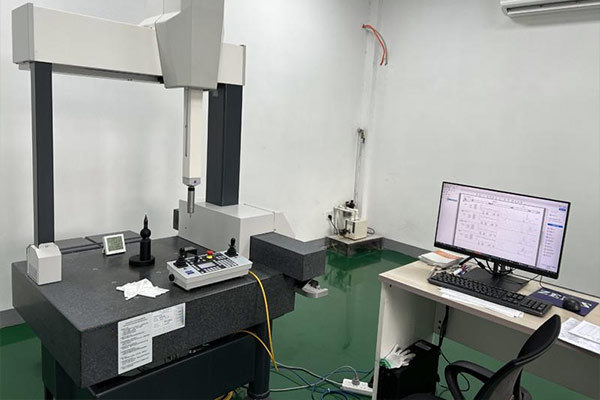
Tensile strength test
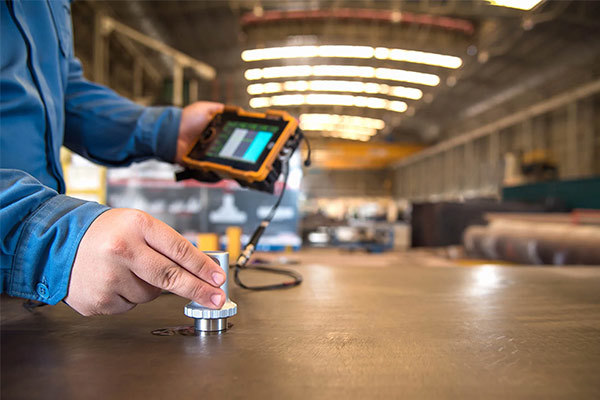
Physical performance detection
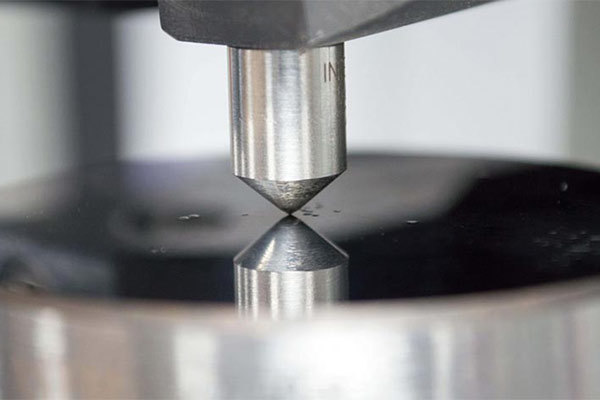
Hardness detection
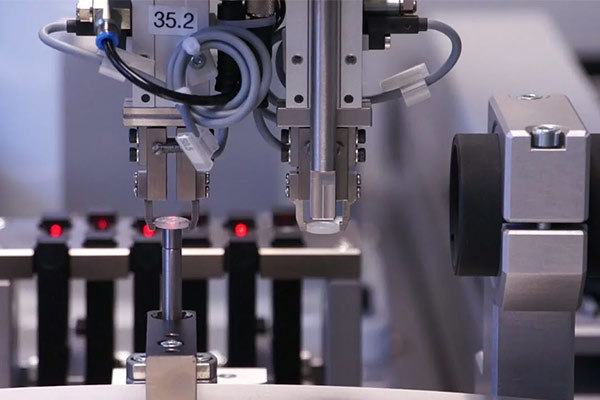
Mechanical performance testing
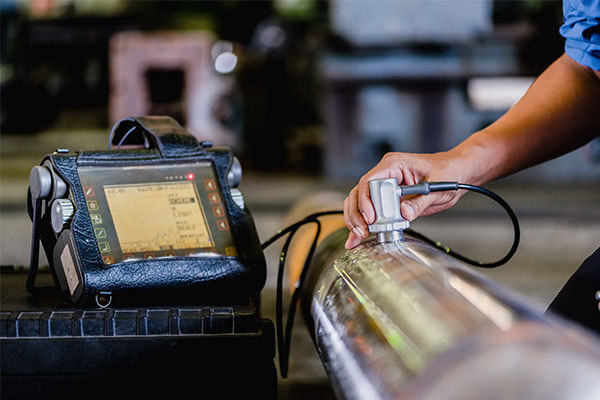
Testing equipment

Chemical composition detection

Spectroscopic detection
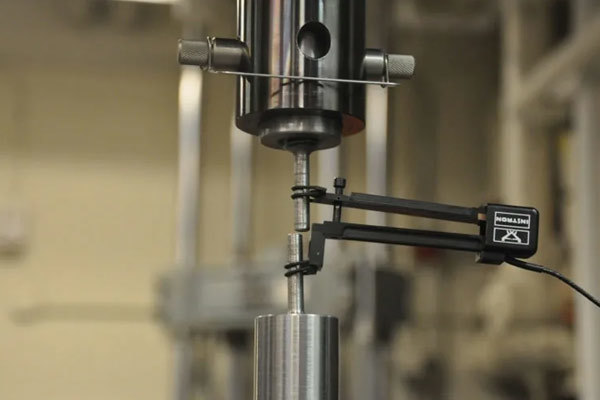
Tensile testing of steel
Certificate
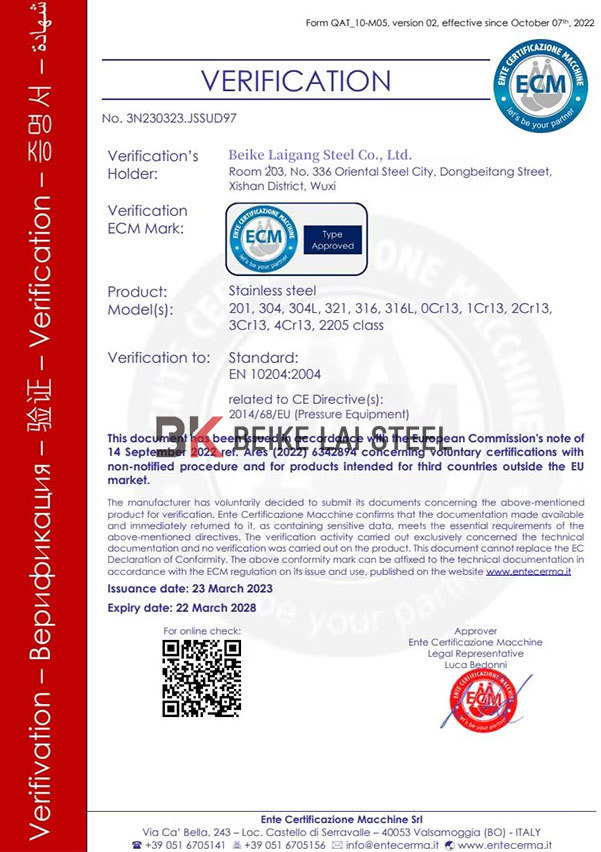
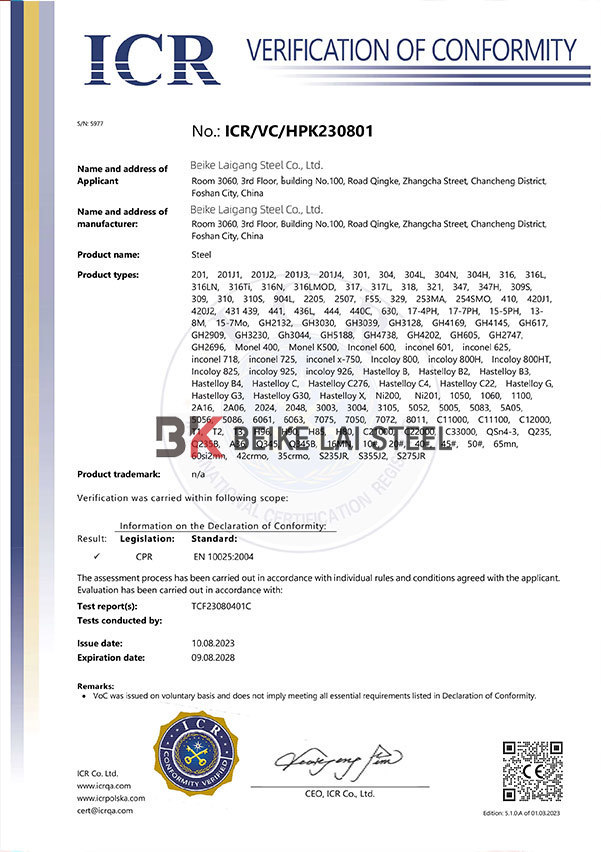
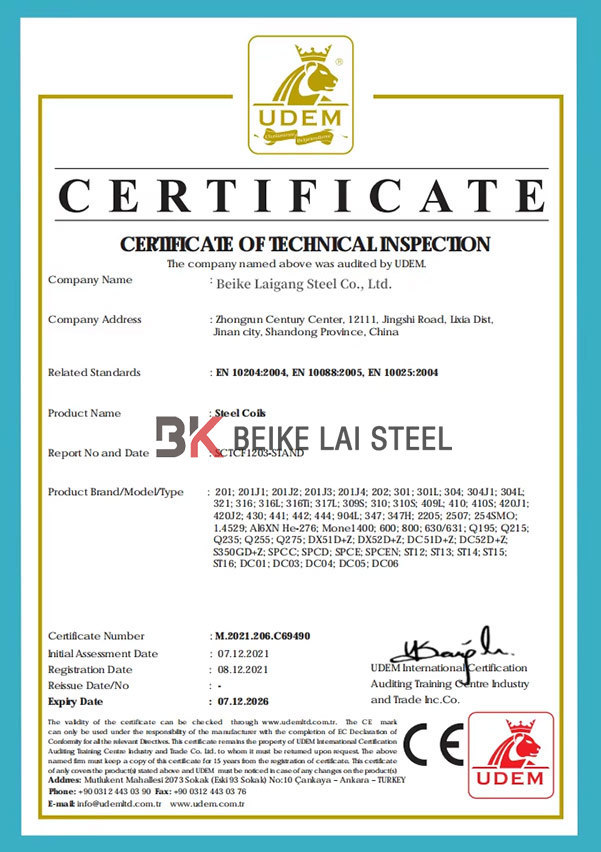
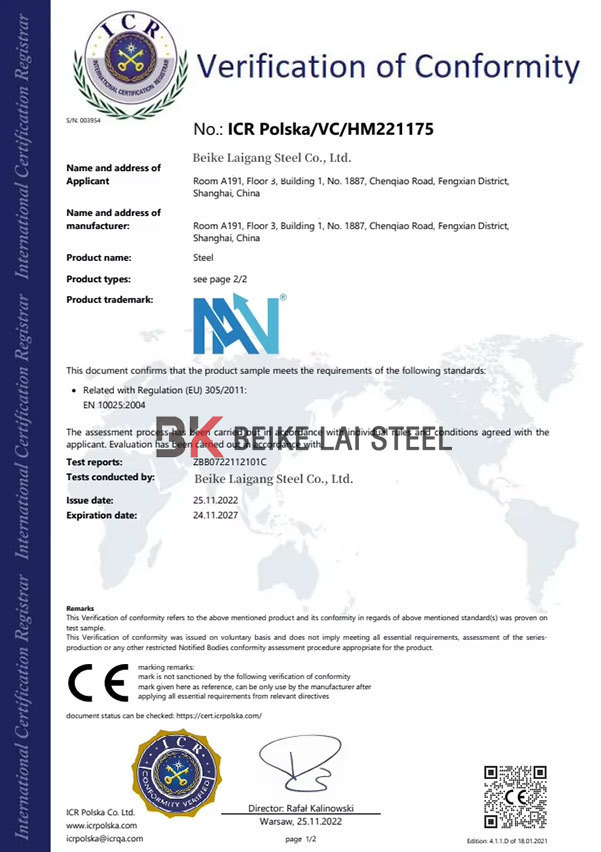
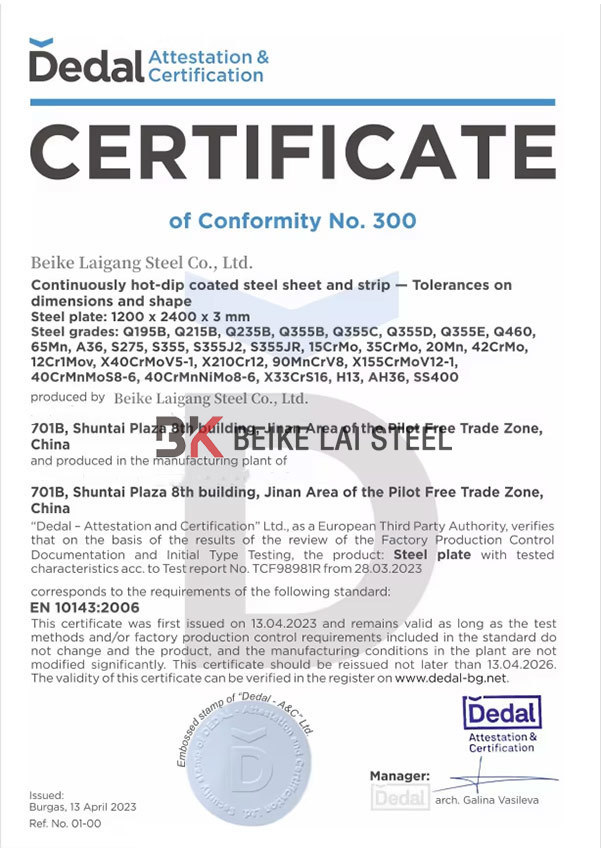

CUSTOMER VISIT
COOPERATIVE PARTNER











APPLICATION
FAQ
RELATED PRODUCTS
GET A FREE QUOTE